
Is writing your own selection criteria doing your head in?
You can do the job. The writing is the part that will not sit still.
The ad said yes. The page said no.
You got the job ad. You read the duties. You thought, yes, I can do this. I have been doing this for years. Then you scrolled down and saw it.
Selection criteria. Or a statement of claims. Or a two-page pitch with the same homework hiding in different words.
Suddenly the job feels further away than it did five minutes ago.
Not because the work is beyond you. Because you now have to write that work in a shape a government panel can mark, and nobody has sat beside you and shown you the shape.
I see this a lot. Capable people. Already in the public sector, or trying to get in from a private-sector week. The document open. The same paragraph written and deleted. A cup of tea that went cold.
Your résumé cannot write this for you
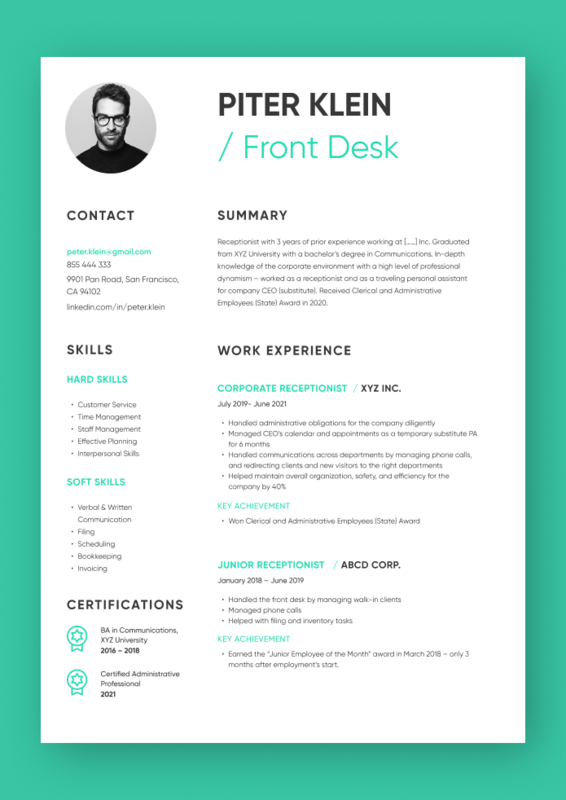
The résumé is the document you already have, so that is what people try to stretch.
You open it. You take a duty. You add a sentence. You add another. You still have a longer résumé: duties, claims, I have excellent communication skills and have worked in team environments for years. That tells a stranger nothing they can hold. They already expected you could talk to people.
If you write the statement in the same voice as a private-sector file, it can sound like a different room. The panel is not asking you to become a different person. They are asking for a piece of work they can picture, in language they will not have to translate.
You do not need government phrasing pasted into the résumé. You do need the same person on both pages. Same titles. Same dates. Same level of authority. If the résumé says you supported a process and the statement says you owned it, someone will notice. Often before anyone rings.
The loop that steals the evening
You start a sentence. It sounds like you are bragging. You delete it.
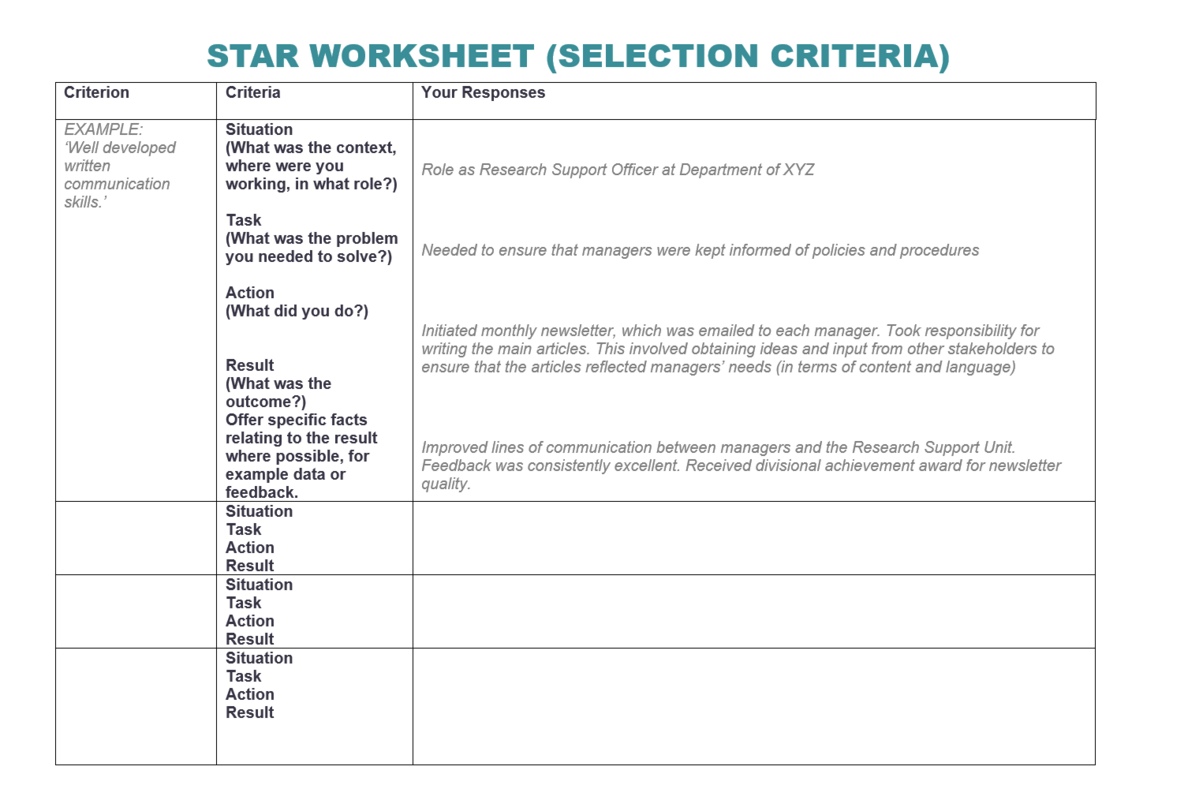
You look up the method. The letters have a name. Knowing the letters is not the same as getting one real piece of work onto the page.
You paste in the words from the ad. Now it reads like a vacancy, not like Tuesday.
A career article told you to be authentic. Authenticity without a story they can see is still a claim, just in a warmer tone. Structure without your week in it is a template.
You open last year's application and copy a block. The classification is different. The jurisdiction is different. The story is a year older than you remember, and the detail has gone fuzzy.
Midnight, and you still cannot tell whether it is any good.
That is the head-in. It is not a character flaw. It is a writing job you were not trained for, sitting on top of a job you already know how to do.
Two documents. Same person.
The résumé gets you into the pile. The statement is often what they sit with. Different jobs. Still the same life.
They have to recognise you on both.
Referee names should be people who can talk about the stories you used. Not a surprise when someone rings. The cover letter, if they asked for one, should not invent a third career.
You do not need a new life for this closing date. You need the facts to hold still while the evidence does the work the résumé cannot do.
You are allowed to write your own
Plenty of people write their own criteria and get the hearing.
If you can get one real piece of work onto the page without turning it into a duty list, and you would be calm repeating that week in a room, you may not need anyone this time.
Help starts to earn its keep when the spiral is the problem. You can see the week in your head and you cannot get it down without sounding like you are bragging or writing a job description. Or you have sent a few and the inbox has stayed ordinary. Or the statement and the résumé no longer tell the same story.
Then a second pair of eyes is a reasonable ask. Not because a site promised a word count or a number of hours. Because you are being misread, or you have stopped being able to see the file. A useful service will refuse a line that is not true of the week. You are not buying a template.
If you want a look
Send the ad and whatever you have managed to draft, even if it is half a page and a lot of crossed-out lines.
I will tell you whether the writing is the blockage, and whether you can fix it yourself.
You do not need another lecture on how government hiring works. You already know the page will not sit still. That is why the tab is still open.